Why Combination Smoke and Carbon Monoxide Alarms Matter at Home
New guidance covers dual-hazard detection, alarm placement, interconnection, and routine maintenance. WILMINGTON, Del.
Press Release Disclaimer: This is a press release distributed through the XPR Media network. It has not been independently verified by our newsroom.
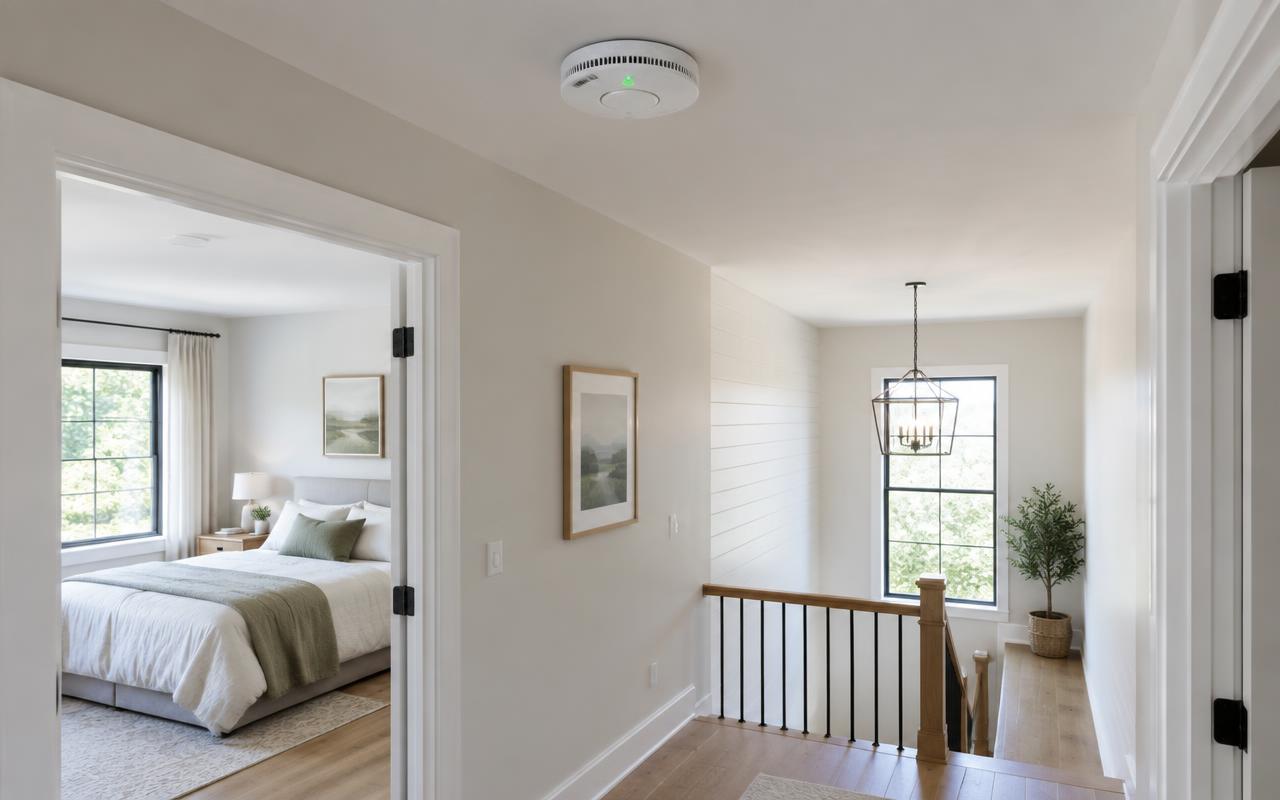

New guidance covers dual-hazard detection, alarm placement, interconnection, and routine maintenance.
WILMINGTON, Del. – Oct. 5, 2026 – Users of X-SENSE combination alarms have been drawn to this product because it comes in a single alarm system, eliminating the need for a “pair of alarms” for both smoke alerts and carbon monoxide detection. X-SENSE has now issued a home safety guide that aims to provide consumer households with an explanation of how both smoke and carbon monoxide alarms could pose a threat in the same home and be addressed by one alarm system. The guide is on early warning, alarm locations, interconnection, and routine maintenance.
Smoke and carbon monoxide need to be detected in different ways. Smoke travels without warning through a house, and CO is colorless and odorless and can result from fuel-burning appliances, attached garages, fireplaces, or heating equipment. Consequently, some home safety planning may require both types of detection, based on the property specifics, local needs, and risk sources.
A smoke and carbon monoxide detector combines both detection functions in one device. Available systems can vary by power source, sensor type, interconnection capability, and connectivity, so the right setup depends on the size and layout of the home, sleeping areas, number of floors, and the location of fuel-burning equipment.
The guide also covers audibility in multi-level and larger homes. A buzzer that goes off in the basement, or on another level, might not be heard easily at night or when the door is closed. Alarms can all alert when a hazard is detected, with compatible alarms complementing each other to alert more of the premises in a connected system.
One example referenced in the guide is the X-SENSE SC07-W combo smoke and CO detector. According to X-SENSE product information, the wireless model can interconnect with up to 18 compatible alarms and uses a sealed battery designed for a 10-year service period. X-SENSE notes that product features alone do not replace correct installation, testing, and maintenance.
The manufacturer’s instructions and any local fire and building codes should be followed when the alarm is installed, the company recommends. Furniture and equipment such as sleeping areas, hallways, stairs, and floors burning fuels may need to be taken into account depending on the home and the type of fuel-burning devices.
Another aspect of alarm maintenance is regular testing. It is important that homeowners be able to test each device and understand warning and status signals and know when a unit is due for replacement. People relocating to a new residence also can go through existing alarms to determine if there are potential holes.
X-SENSE says that alarms are warning devices and that they should be integrated into a comprehensive home safety program, which should involve safe appliance use, an escape strategy, emergency preparation, and periodic testing.
About X-SENSE Innovations
Founded in 2013, X-SENSE Innovations develops residential fire and home safety products. Its product categories include smoke alarms, carbon monoxide alarms, heat alarms, combination alarms, and connected home safety systems. X-SENSE USA LLC is registered at 1209 Orange St., Wilmington, DE 19801.
Media Contact
Farrukh
X-SENSE
service@x-sense.com
+1 (833) 952-1880
https://www.x-sense.com/